This post contains affiliate links; if you buy through one, we may earn a small commission at no extra cost to you.
Last Updated on August 19, 2026 by John Norton
A recliner squeaking when leaning back is almost never a sign of a broken frame; it usually means metal is rubbing on metal at one of a handful of dry pivot points under the chair. The fix is typically a small can of silicone spray applied to the right joint, and it takes about ten minutes with the chair tipped on its side.
Find where the sound comes from, lubricate that exact spot, and you will save the cost of a service call. A flashlight, a clean rag, and one good lubricant cover nearly every case.
Table of Contents
Why is my recliner squeaking when I lean back?
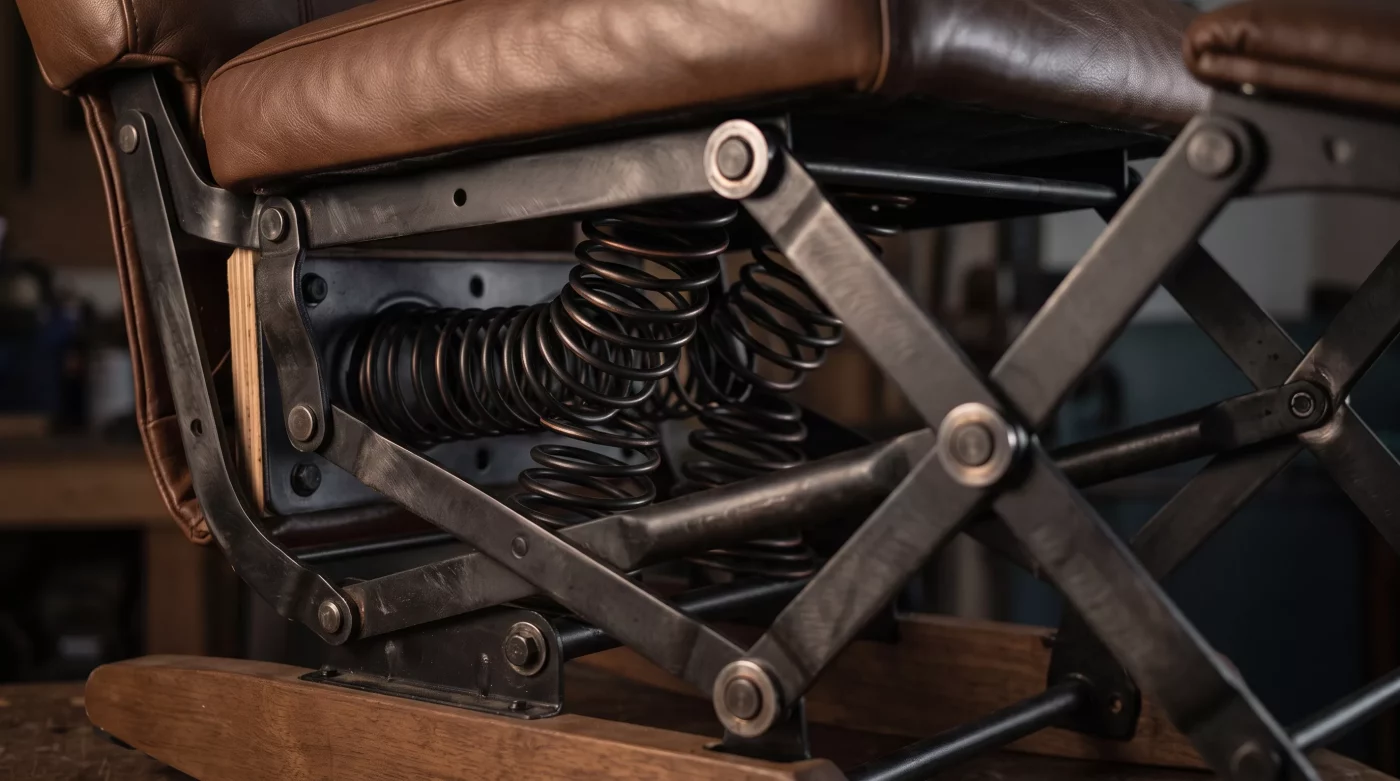
A recliner squeaks when leaning back because the moving parts under the seat lose their lubrication and start grinding against each other. The most common sources, in order of how often they fail, are the rocker springs, the rocker base rubbing against its block, the pivot bolts on the footrest, and the backrest hinge pins. A high-pitched squeak as you rock points to the rocker springs and base, while a lower creak as the back tilts points to the hinge pins, and a sharp clunk usually means a worn spring needs replacing, covered later.
What lubricant should I use on a squeaky recliner?
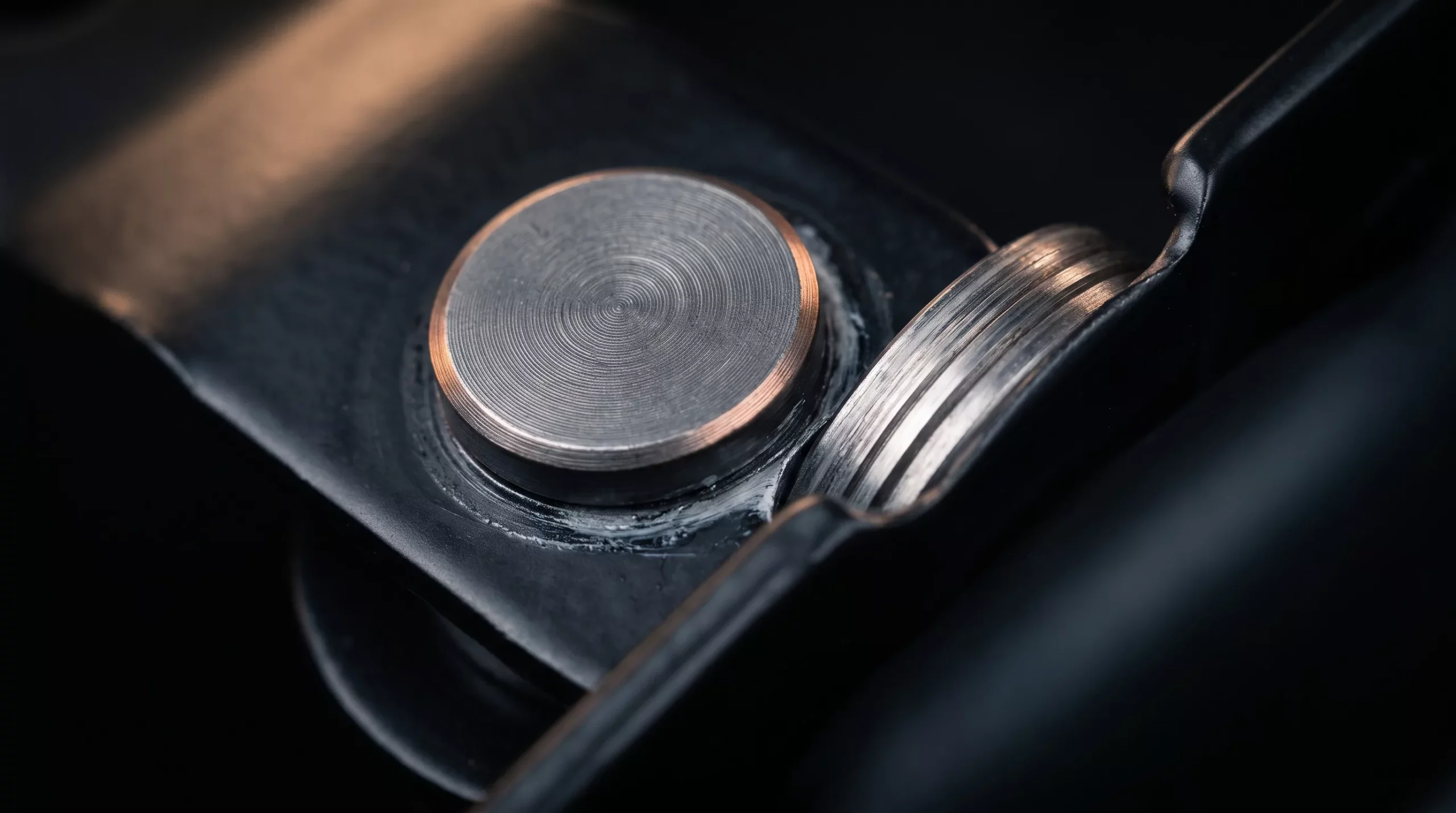
Use a silicone-based spray lubricant, and steer clear of standard WD-40, because the classic can is a solvent rather than a true long-lasting lubricant, and it attracts dust that dries the joints back out. A silicone spray such as the WD-40 Specialist silicone lubricant dries to a clear film that does not grab dirt and is safe on the metal, plastic, and vinyl parts under a recliner.

For the wood-on-wood contact where the rocker base meets its block, a silicone spray alone may not be enough, and a liquid wax or even a household candle rubbed hard into the surface cushions the friction. The general rule is silicone for springs, bolts, and hinges, a wax for wood-to-wood rubbing, and a leather conditioner for the upholstery, never a lubricant.
How do I fix a squeaky recliner step by step?
Quiet a squeaky recliner by tipping it on its side, finding the noisy joint, and lubricating that exact part, then working the mechanism by hand until the sound stops.

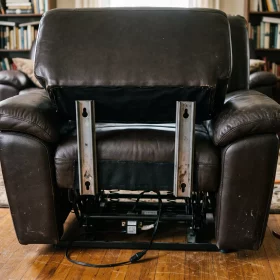
- Lay a tarp or old blanket on the floor, recline the chair fully so the footrest is out, then tip it onto its side so you can reach the mechanism underneath.
- Find the squeak by moving the chair by hand. Rock it and work the footrest back and forth while you listen, and watch the springs, bolts, and hinges to see which joint moves as the noise appears.
- Spray a little silicone onto the rocker springs where the coils meet the metal, then onto the pivot bolts and hinge pins on the footrest and backrest, holding a rag behind each part so the overspray does not stain the upholstery. If the squeak seems to come from the footrest itself, our guide to fixing a recliner footrest covers the spring and linkage fixes.
- Apply a liquid wax to the rocker base where it rubs against its block, and let it sit before you work the chair.
- Work the mechanism back and forth a dozen times to work the lubricant in, then tip the chair upright and recline a few times to confirm the squeak is gone.
If the noise disappears, you are done, and the fix usually holds for months. If a squeak persists, tighten any loose nuts and bolts with an adjustable wrench, because a joint that has worked loose can rattle even when lubricated.
How do I stop the leather from squeaking?
If the sound comes from the upholstery rather than the mechanism, it is leather rubbing against leather where the back meets the sides, and the fix is a conditioner rather than a lubricant. Clean the leather first, then work a leather conditioner into the seams at the sides of the backrest, repeating until the rub quiets down.
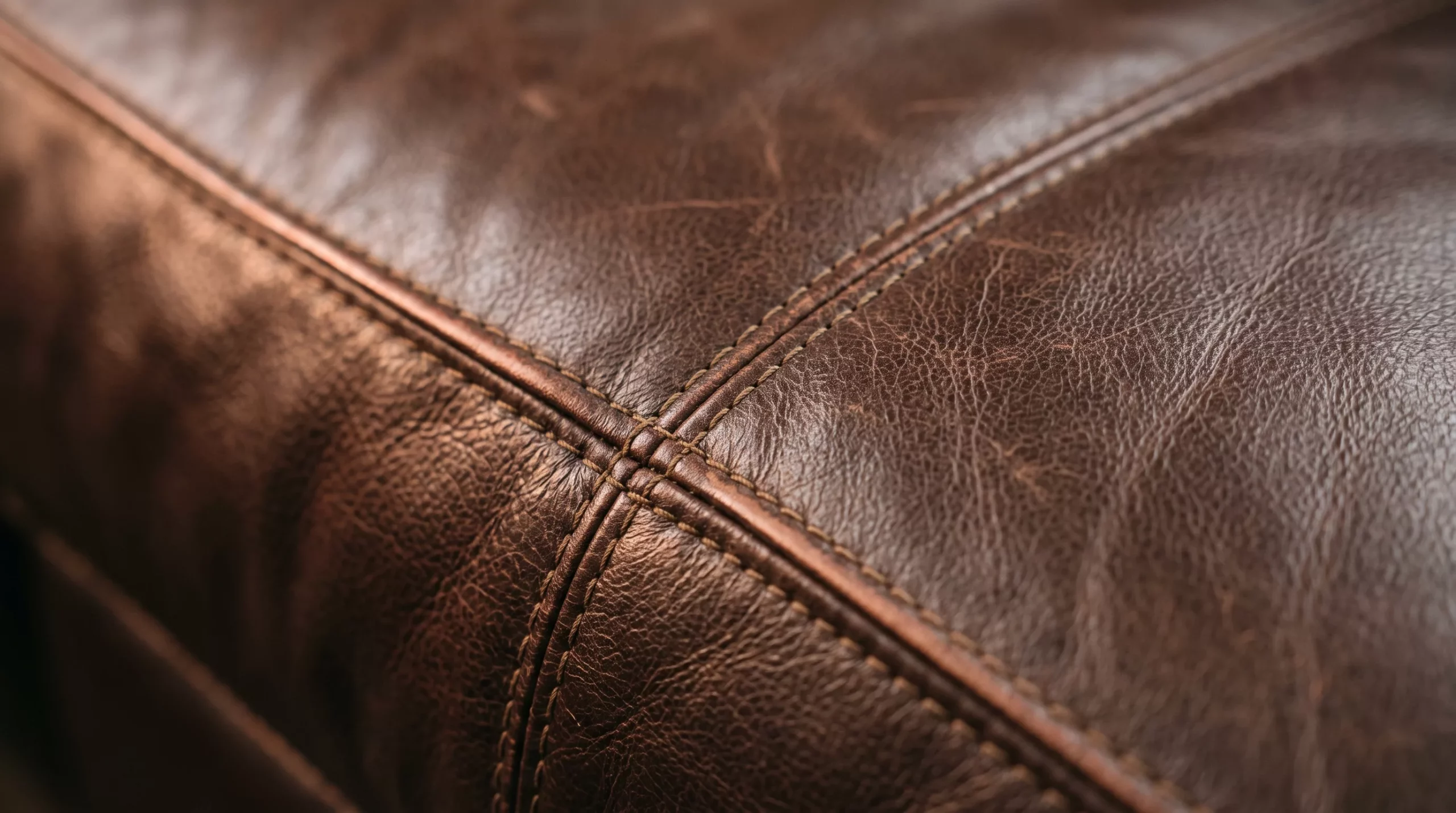
You can tell the difference by the sound: leather rubbing makes a soft, groaning squeak as the fabric slides, while a mechanism squeak is a sharper, higher metallic note.
Why does my power recliner make noise when leaning back?
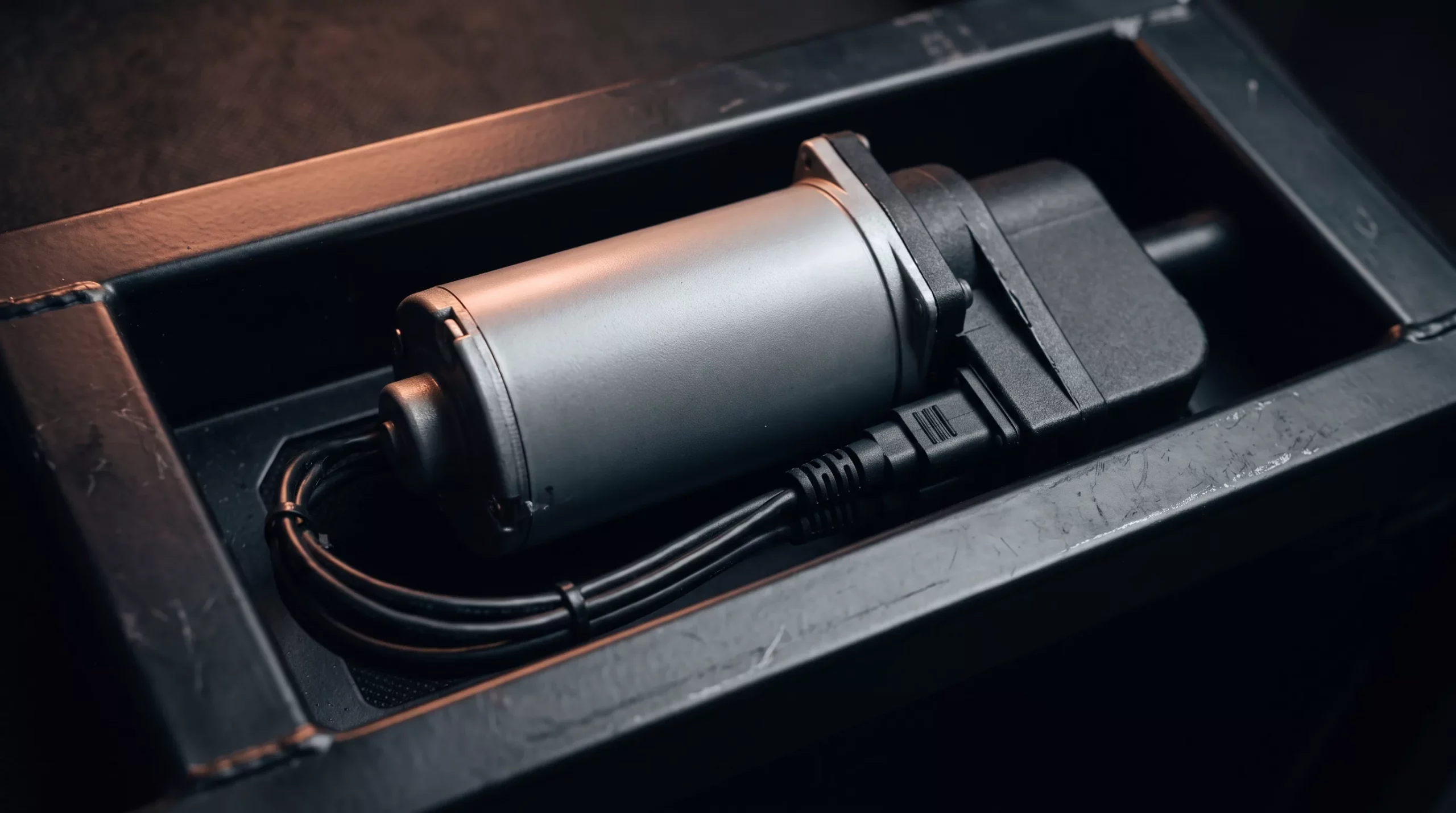
A power recliner that makes noise as the back moves usually comes from the same metal pivot points, but it can also come from the actuator motor or its gears. If the squeak only happens while the motor is moving, it may be the actuator, a repair best left to a professional, since it means working inside the power supply. If the noise appears during rocking or only at the end of the travel, the pivot bolts and hinge pins are still the likely cause, and silicone will quiet them the same way it does on a manual chair. Never spray lubricant into the motor or wiring, and unplug the chair before working underneath it.
When should I replace the springs instead of just lubricating?
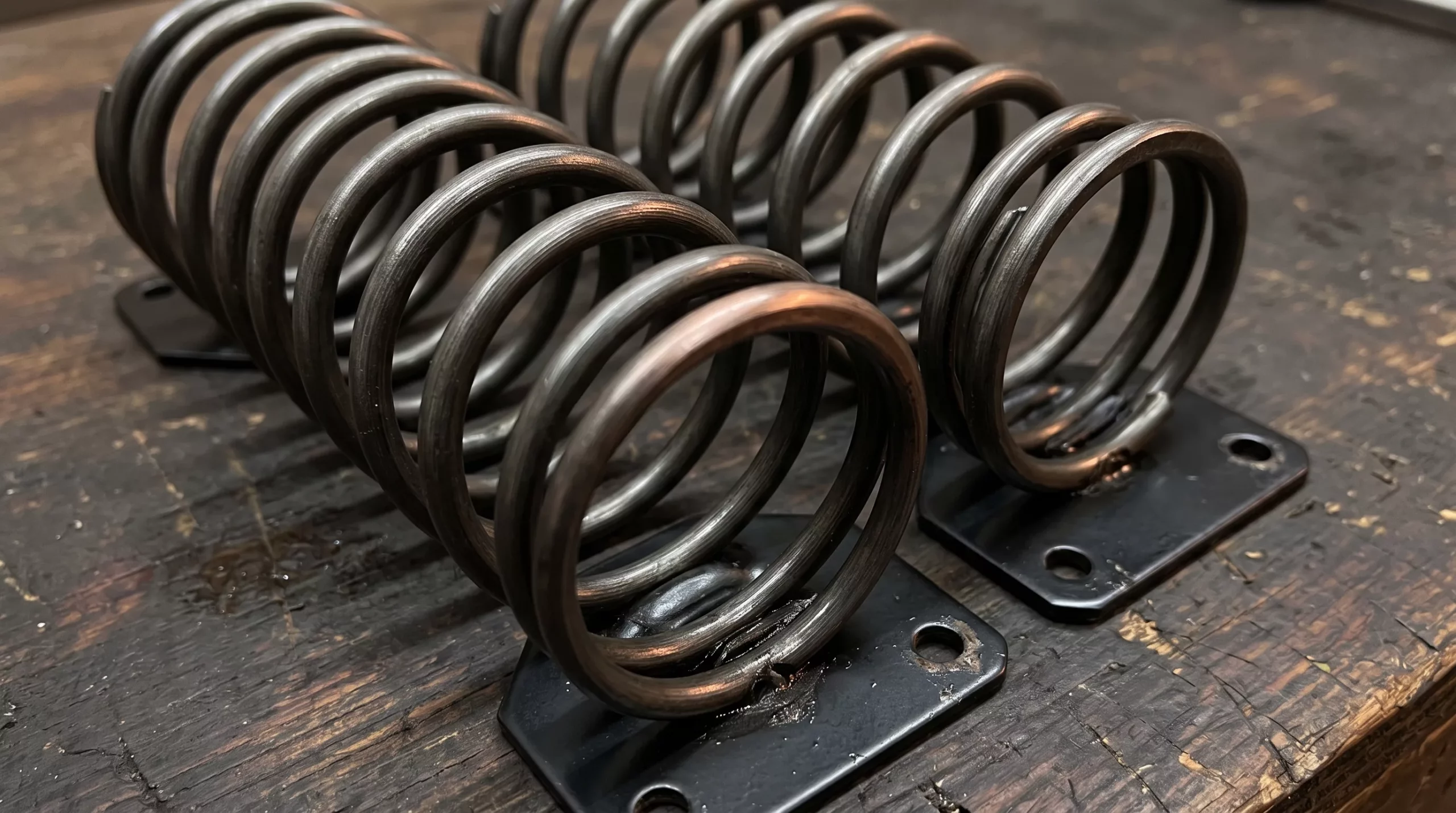
Replace the springs when lubrication no longer quiets a rocker recliner and the spring is clearly worn, sagging, or losing tension, rather than just dry. A creaky but intact spring usually quiets down with silicone, but one that has lost its tension makes a persistent clunk and needs replacing. A replacement rocker recliner spring set is inexpensive and swaps out in a few minutes once the chair is on its side. The full recliner mechanism guide walks through the springs, handle, and cable in detail.
If lubrication and tightening do not help and the chair still squeaks or feels unsafe, call a repair technician, especially if you suspect a cracked frame or a failing motor. For the opposite problem, where the chair stops working entirely, our guide on why a recliner won’t recline covers the cable and motor fixes in detail.
Frequently asked questions
Why does my recliner squeak when I lean back but not when I sit still?
The squeak appears only when the parts move, so it comes from a metal joint that loses its lubrication under load. Silicone applied to the pivot bolts, hinge pins, and rocker springs usually stops it.
Can I use WD-40 on a squeaky recliner?
Standard WD-40 is a solvent rather than a long-lasting lubricant, so it quiets the squeak for a short time but dries out and attracts dust that brings the noise back. Use a silicone-based spray instead, which forms a clear film that stays put and does not grab dirt.
Is a squeaky recliner dangerous?
No, a squeak from dry joints is cosmetic and safe to keep using. It only becomes a concern if you also hear a crack, feel the chair give way, or see a sagging spring, in which case stop using it and call a technician.
How often should I lubricate my recliner?
Lubricate the moving parts once a year or whenever a squeak starts, and condition the leather to keep the upholstery from rubbing dry.
What causes a recliner to squeak when rocking?
Rocking motion puts the rocker springs and the rocker base under direct friction, which is why they squeak first. Silicone on the springs and a wax on the base quiet it within minutes.