This post contains affiliate links; if you buy through one, we may earn a small commission at no extra cost to you.
Last Updated on September 30, 2026 by John Norton
The short answer on how to fix a reclining sofa is that almost every failure comes down to one of three systems: the pull cable and handle that release the mechanism, the springs and linkage that swing the footrest, or the motor and control box on a power model. Find the system that failed and most sofas go back to work the same afternoon without a repair bill.
I spent more than ten years selling, assembling, and repairing recliners and reclining sofas, and the calls I remember best are the ones where an owner had already replaced the wrong part. A sofa hides two or three mechanisms under one frame, so the seat that stopped moving points to the part that failed.
This guide starts with the diagnosis, then works through the manual and power fixes in the order I still use them, and it covers the multi-seat problems that never come up on a single recliner.
Table of Contents
How do you fix a reclining sofa?
You fix a reclining sofa by working through three systems in order: confirm the handle or cable still releases the mechanism, check the springs and linkage that move the footrest, and on a power sofa test the transformer and motor before you buy any part. Do the cheap checks first, because a wedged cushion or a loose connector causes more of these failures than any worn component.
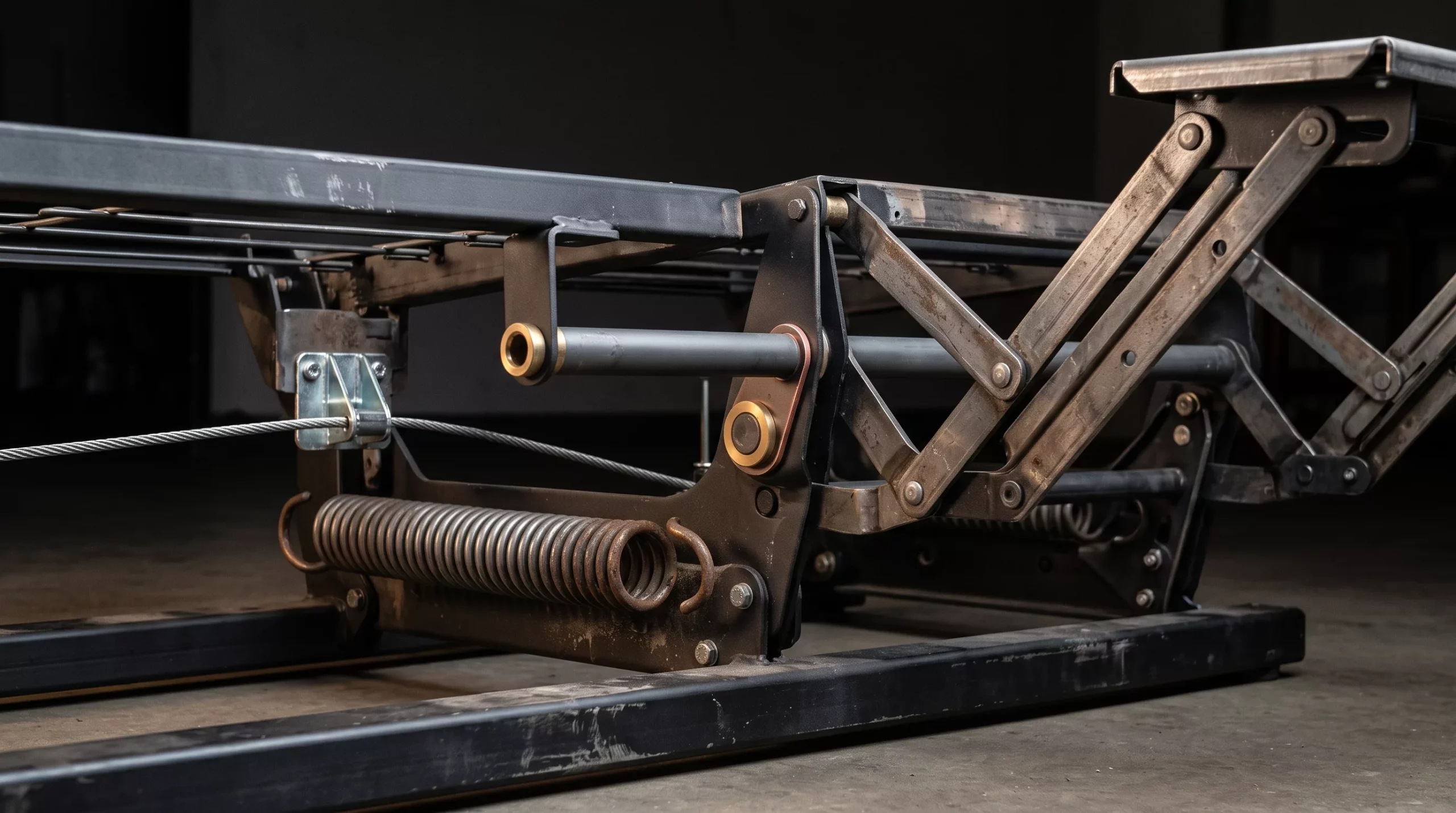
On the showroom floor I fixed sofas in that exact order, and it kept me from ordering a ninety dollar motor when the real fault was a ten dollar cable. The parts also fail in a predictable order, with the cable first after five to eight years, the springs next, and the motor or hand control last.
Which part of your reclining sofa is failing?
Match the symptom to the cause before you reach for a tool, because a reclining sofa can hide a different mechanism, cable, and motor under each seat.
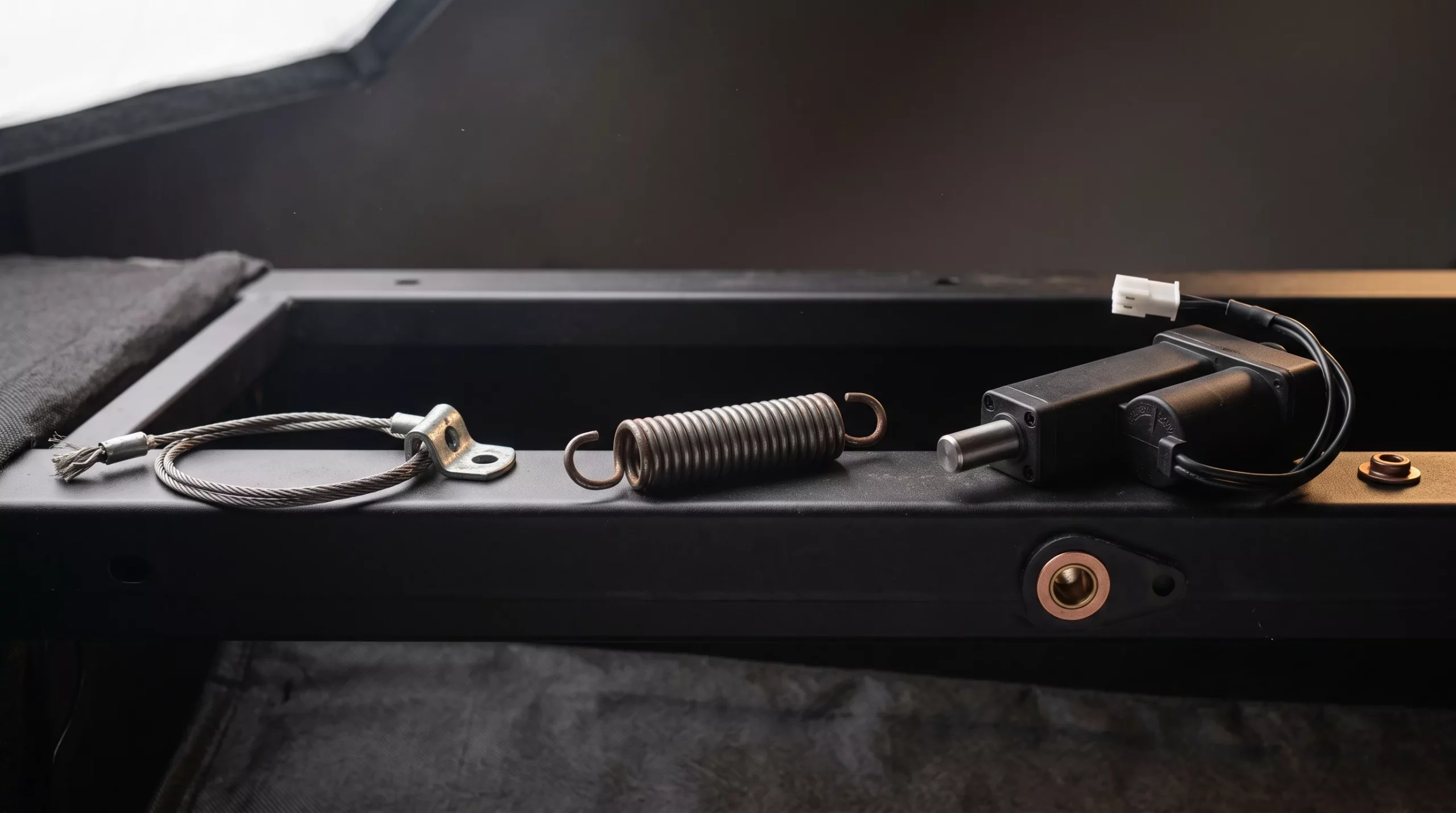
| What you notice | What it usually means | First fix to try |
|---|---|---|
| The handle pulls but nothing moves | Stretched or detached pull cable | Reattach or replace the cable |
| The footrest won’t fold back down | Slipped linkage bar or a dry pivot | Clear the jam and lubricate the linkage |
| The seat drifts down and won’t hold | Loose tension springs | Tighten the wing nuts under the seat |
| One power seat is silent, the others work | Dead motor, switch, or a loose connector | Reseat the connector and swap the motor leads |
| Every power seat is dead | Transformer, outlet, or a tripped reset | Reset the transformer and test the outlet |
How do you fix a manual reclining sofa?
You fix a manual reclining sofa by reattaching or replacing the pull cable, freeing the footrest linkage, and retensioning the springs that hold the seat up.
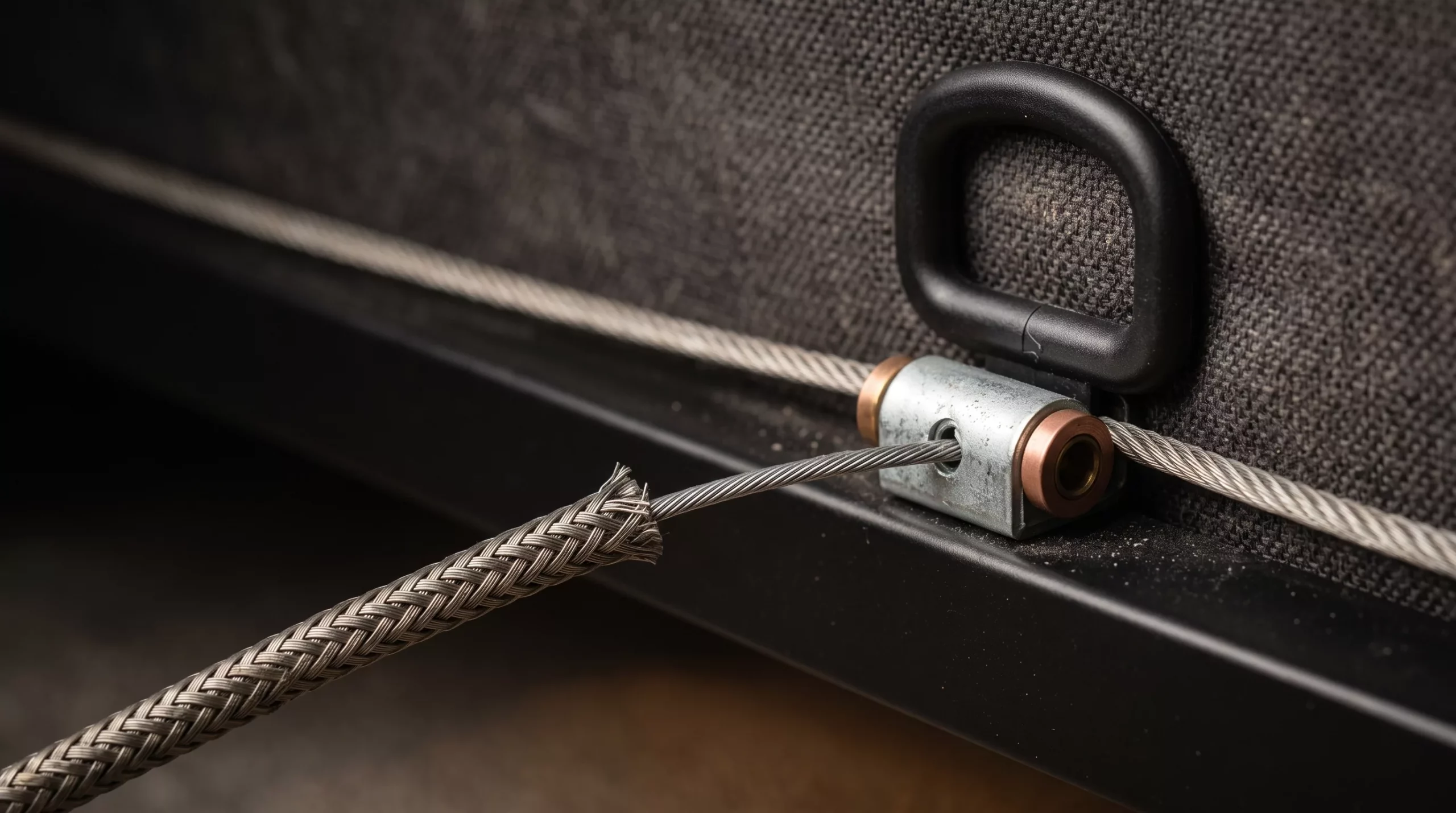
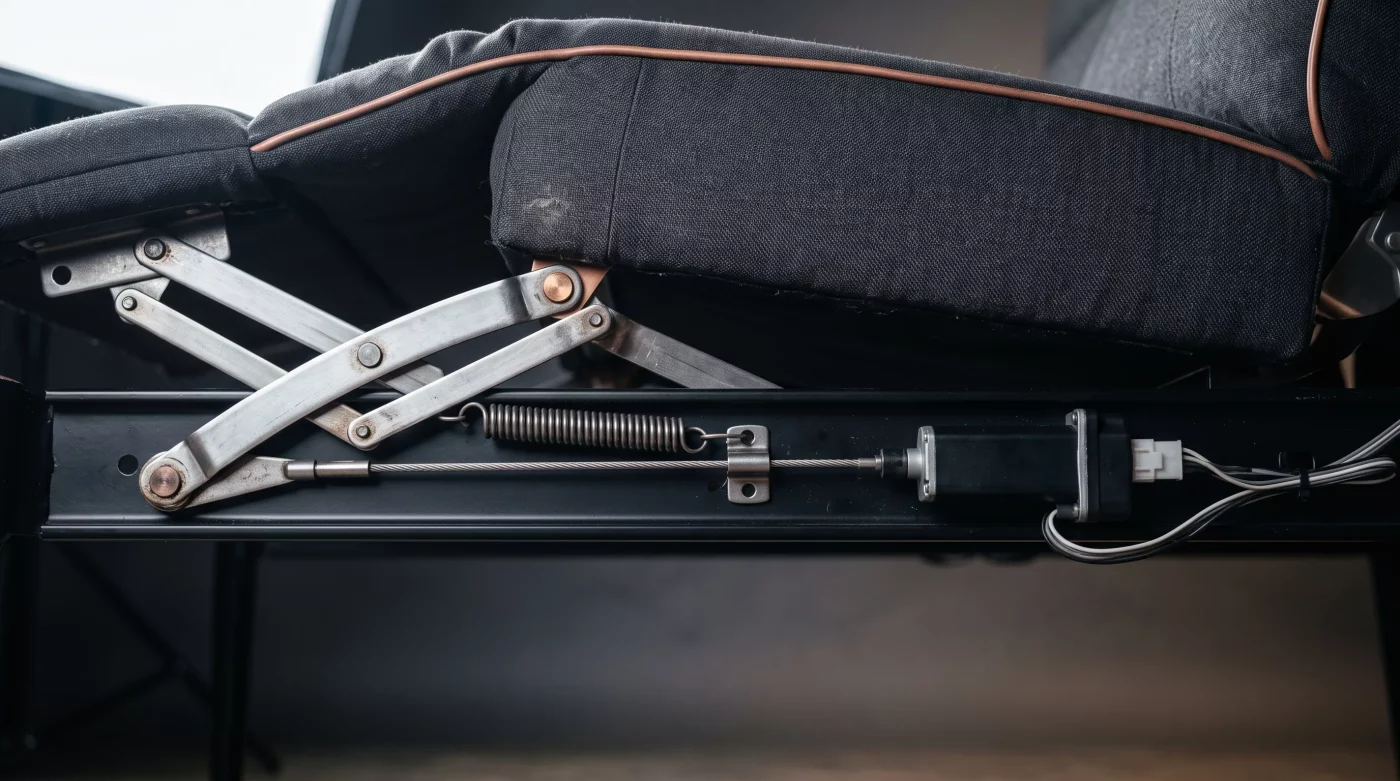
Tip the sofa onto its back with a helper, because a three seat frame is far heavier than a single chair. Look for the steel cable that runs from the side handle to a bracket on the mechanism, and check that both ends are still clipped into place. If the cable has popped out of its clip, hook it back on and test the handle before you lower the sofa, and replace it if the strands are frayed or snapped. A recliner release cable replacement costs about ten dollars, and my guide to fixing a recliner mechanism covers the springs and cables on a single chair.
When the handle works but the footrest stays down, the fault is usually the linkage rather than the cable. Check that no clothing, toy, or cushion is wedged in the scissor arms, then work the footrest by hand to feel where it binds. A footrest that refuses to close is often a linkage bar that has popped out of its bracket, and my guide to a recliner that won’t close walks through the lock and footrest fixes.
If the seat drifts down on its own, the tension is simply too loose. Tighten the wing nuts or thumbscrews under the seat a quarter turn at a time and test after each one, and my guide to adjusting recliner tension explains how the springs set the feel.
How do you fix a power reclining sofa?
You fix a power reclining sofa by resetting the transformer, reseating every connector, and only then testing or replacing the motor, because the power supply and the hand control fail far more often than the actuator itself.
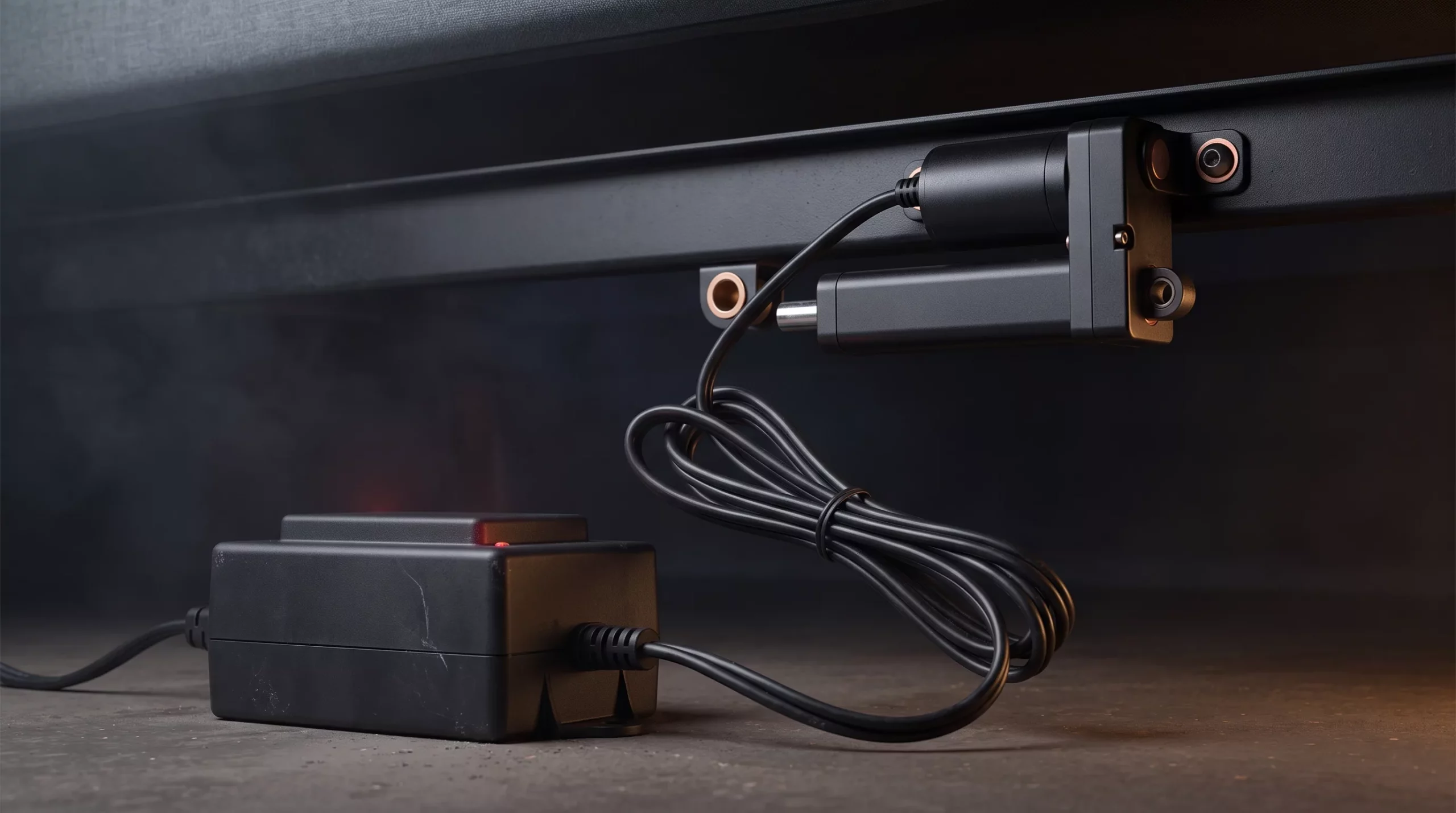
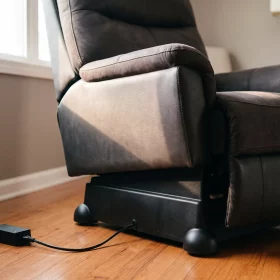
Start the diagnosis at the wall outlet. Unplug the sofa for five minutes, plug it back in, and listen for a click from the transformer box on the cord, then test the outlet with a lamp and look for a reset button or a red overload light on the box. If the sofa stays silent, trace the cable from the transformer to the junction under the frame and push every connector home, because a plug that has loosened under a heavy sofa is the most common cause of a dead seat.
When the motor hums but nothing moves, the actuator is failing and needs replacing. An electric recliner motor actuator replacement kit is the usual cure, and most units bolt to the frame with four fasteners and one wiring plug. If the sofa is still under warranty, call the maker before you open anything, because a repair you do yourself can void the cover.
Why does only one seat of a reclining sofa recline?
Only one seat works because each seat usually runs its own motor, so a dead seat points to that seat’s motor, switch, or connector rather than to the whole sofa.
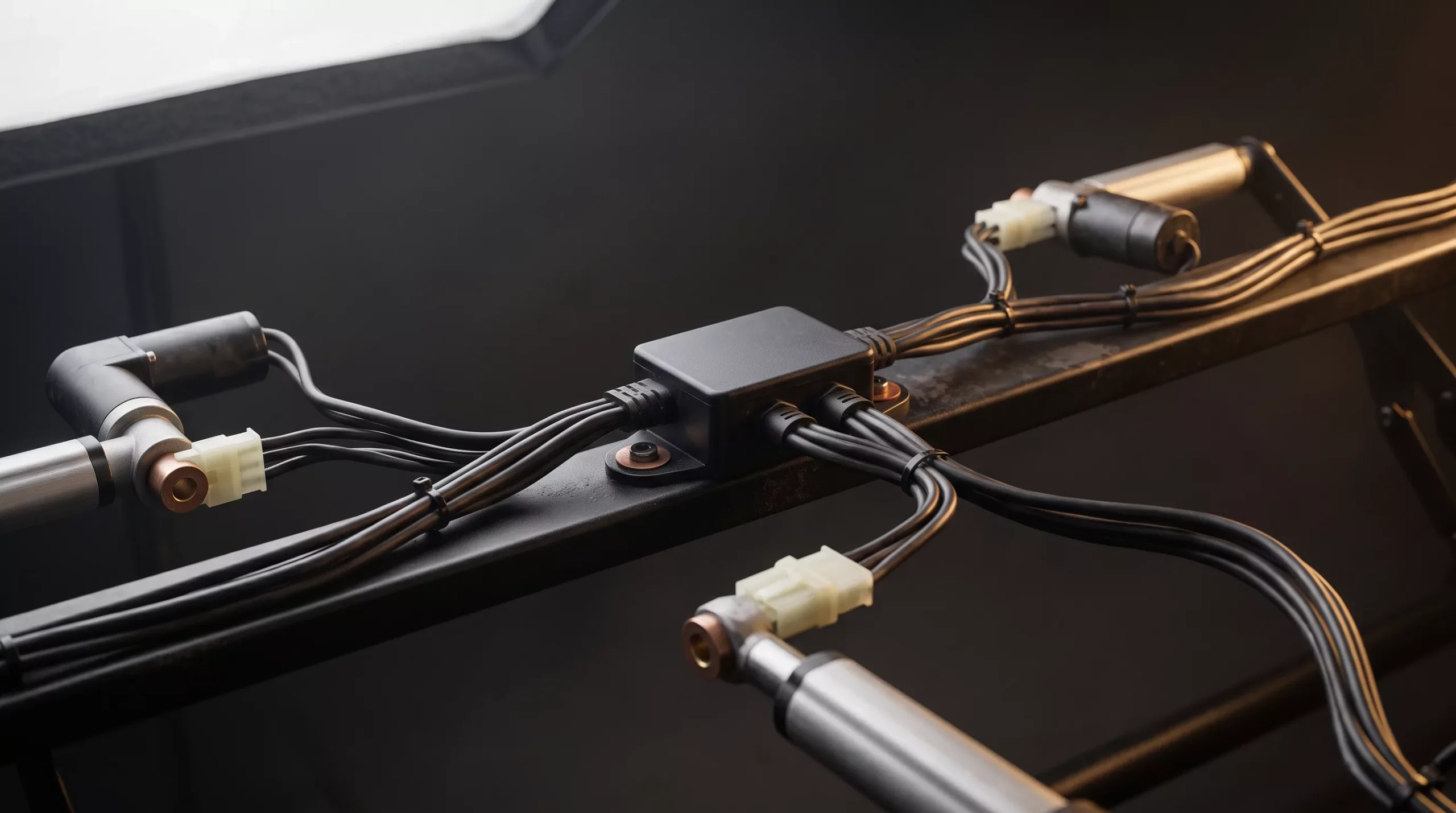
This is the fault that separates a sofa from a chair, and most single recliner guides never mention it. A three seat power sofa often carries three motors wired back to one junction box, so when the middle seat quits while the two ends still move, the transformer and the wall power are both fine.
Reseat the connector on the dead motor first, then swap the two motor leads at the control box. If the fault follows the motor, the actuator has failed. If the fault stays put, the switch or the wiring on that channel is at fault, which is worth pricing before you commit. On a manual sofa the same logic applies to the cable, so a seat that won’t release while its neighbour works usually has a detached cable rather than a cracked frame.
How do you stop a reclining sofa from squeaking, leaning, or sagging?
You stop the squeaks and the lean by lubricating the pivot points, tightening the frame bolts, and re-stuffing or re-webbing a sagging seat, which are the three wear jobs a reclining sofa needs most.
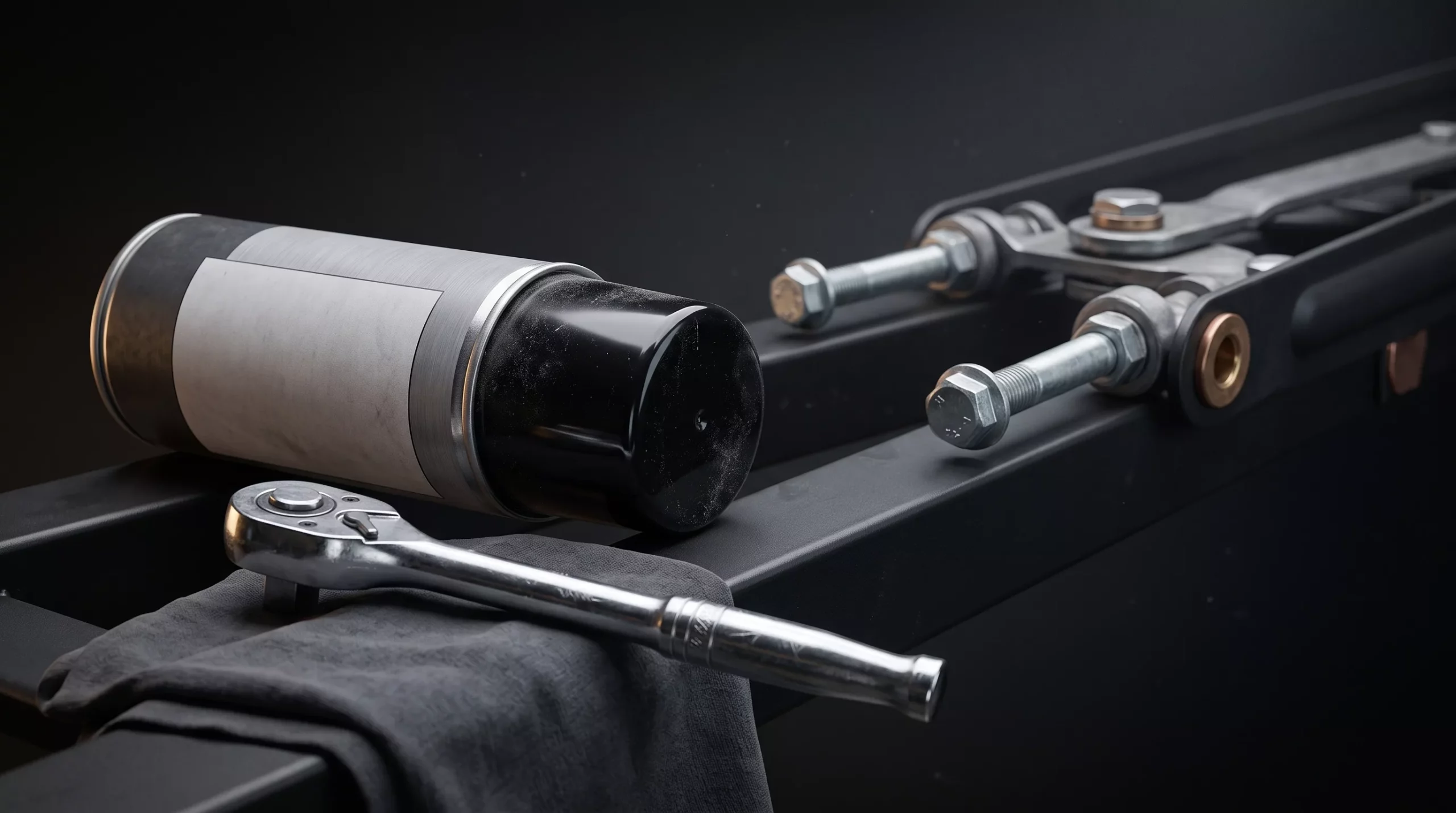
Squeaking is dry metal rubbing on metal at a pivot, and it clears once you lubricate every joint where two parts turn against each other. Reach for a white lithium grease spray on the pivots rather than a thin oil, work the mechanism through its full travel, and wipe away the excess so it cannot stain the fabric. My guide to fixing a squeaking recliner explains why silicone suits the parts that an oil can would only attract dust to.
A lean to one side is usually a broken torsion spring at one end or loose bolts on one side of the base, so tighten every bolt you can reach and compare the springs on both sides. A sagging seat is worn foam or stretched webbing, and the honest fix is to add a firm foam layer or re-web the base rather than keep flipping the cushion.
Keep the sofa working by rechecking the bolts each season, wiping dust off the linkage, and leaving space behind the sofa so the mechanism can travel through its full range. Staying inside the weight limit matters more than any lubricant, because an overloaded frame is what bends the linkage in the first place. If the frame is cracked, or repairs add up past half the price of a replacement, it is time to look at a new piece instead.
Frequently asked questions
Can I fix a reclining sofa myself?
Yes, most reclining sofa problems are DIY friendly. Cables, springs, tension, lubrication, loose connectors, and even a motor swap sit within reach of a patient owner with basic tools. Hand structural welds, a full mechanism overhaul, and any repair still under warranty to a professional.
How much does it cost to fix a reclining sofa?
Most repairs are small parts rather than labour. A release cable runs about ten dollars, a spray of white lithium grease less again, and a replacement power actuator kit sits in the eighty to one hundred fifty dollar range. A full professional mechanism overhaul often runs one hundred fifty to three hundred fifty dollars, which is why the cheap checks come first.
Why did both seats of my reclining sofa stop at once?
When every seat dies together, the fault is almost always shared rather than per seat. Check the outlet, the transformer box on the power cord, and the main connector at the junction under the frame before you suspect the motors, because a single tripped reset takes the whole sofa down at once.
Is it worth repairing an old reclining sofa?
It usually is when the frame is sound and only the moving parts have worn, since a cable, a spring set, or an actuator costs far less than a new sofa. Replacement makes more sense once the frame is cracked or the foam and upholstery are both gone, because you would be rebuilding most of the sofa anyway.
How long should a reclining sofa mechanism last?
A quality mechanism should last ten to twenty years with basic care. The cable is usually the first part to fail at five to eight years, the springs follow at eight to fifteen, and a power motor typically gives five to ten years. Lubricating the pivots twice a year and staying under the weight limit is what stretches those numbers.