
This post contains affiliate links; if you buy through one, we may earn a small commission at no extra cost to you.
Last Updated on October 17, 2026 by John Norton
Learning how to make a recliner more comfortable rarely means replacing it, and the fix usually comes down to one of two things: the seat has lost its support, or the chair does not fit your body. In the years I spent selling, assembling, and repairing recliners, the complaint I heard most was never about a worn-out chair. It was about a chair that had gone flat, tipped the owner forward, or dug into the back of the legs.
Almost everything on this list is free or costs under forty dollars. I have walked buyers through these steps on the showroom floor and in the repair bay, so this is the order I actually work in.
Table of Contents
Why is your recliner uncomfortable?
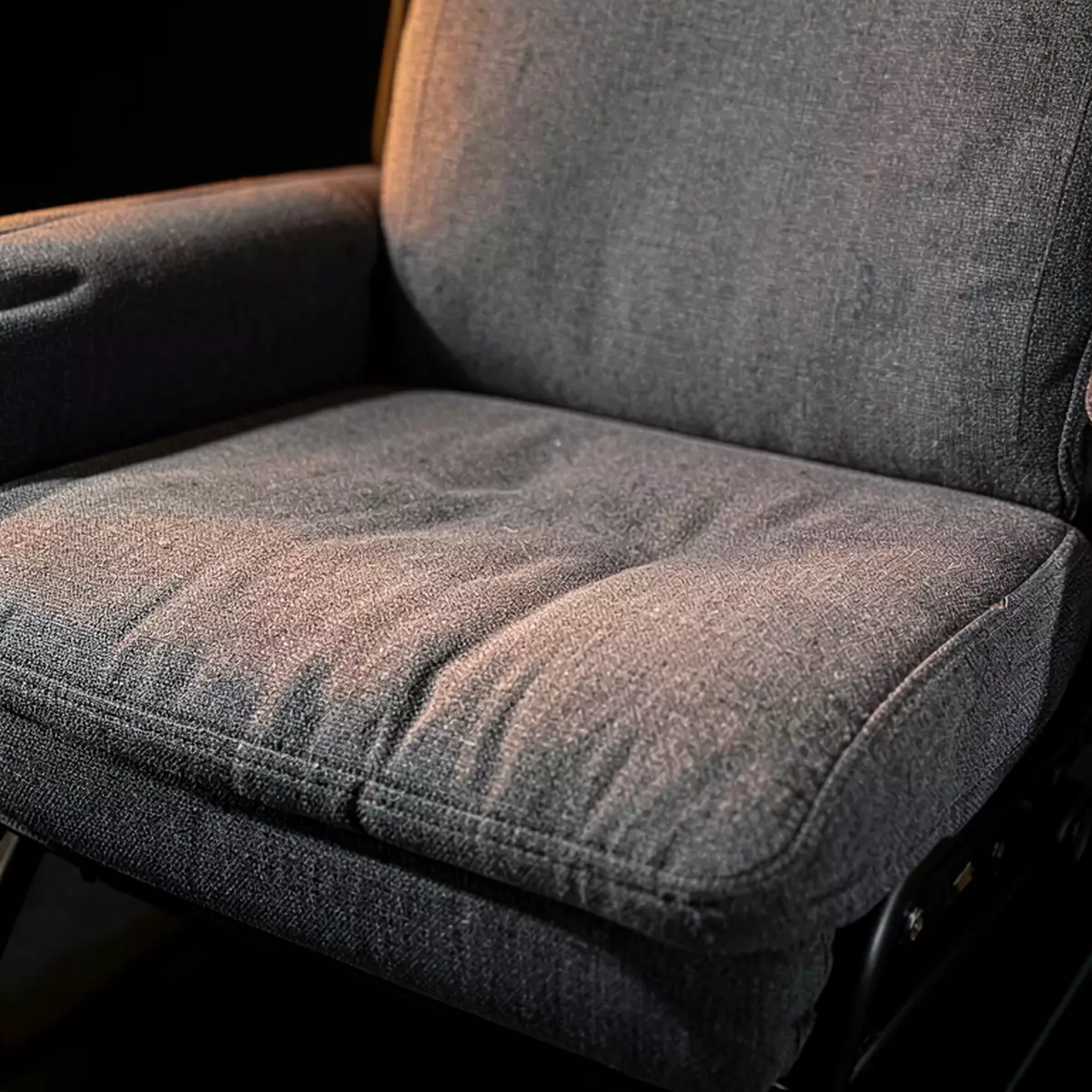
A recliner usually turns uncomfortable for one of two reasons, and knowing which one you have decides how much you spend. The first is the seat, where the foam has compressed and the springs have lost tension, so the chair no longer supports your weight. The second is fit, where the seat is too deep or set at an angle that pushes into your lower back or cuts off your legs.
Diagnose both in about a minute. Sit normally and slide a hand under your thigh. If you feel a gap, the seat is too deep or the foam has collapsed. If your knees sit higher than your hips, the seat is too low or the recline angle is wrong, and each of those points to a fix you can do yourself.
How do you fix a sagging recliner seat?
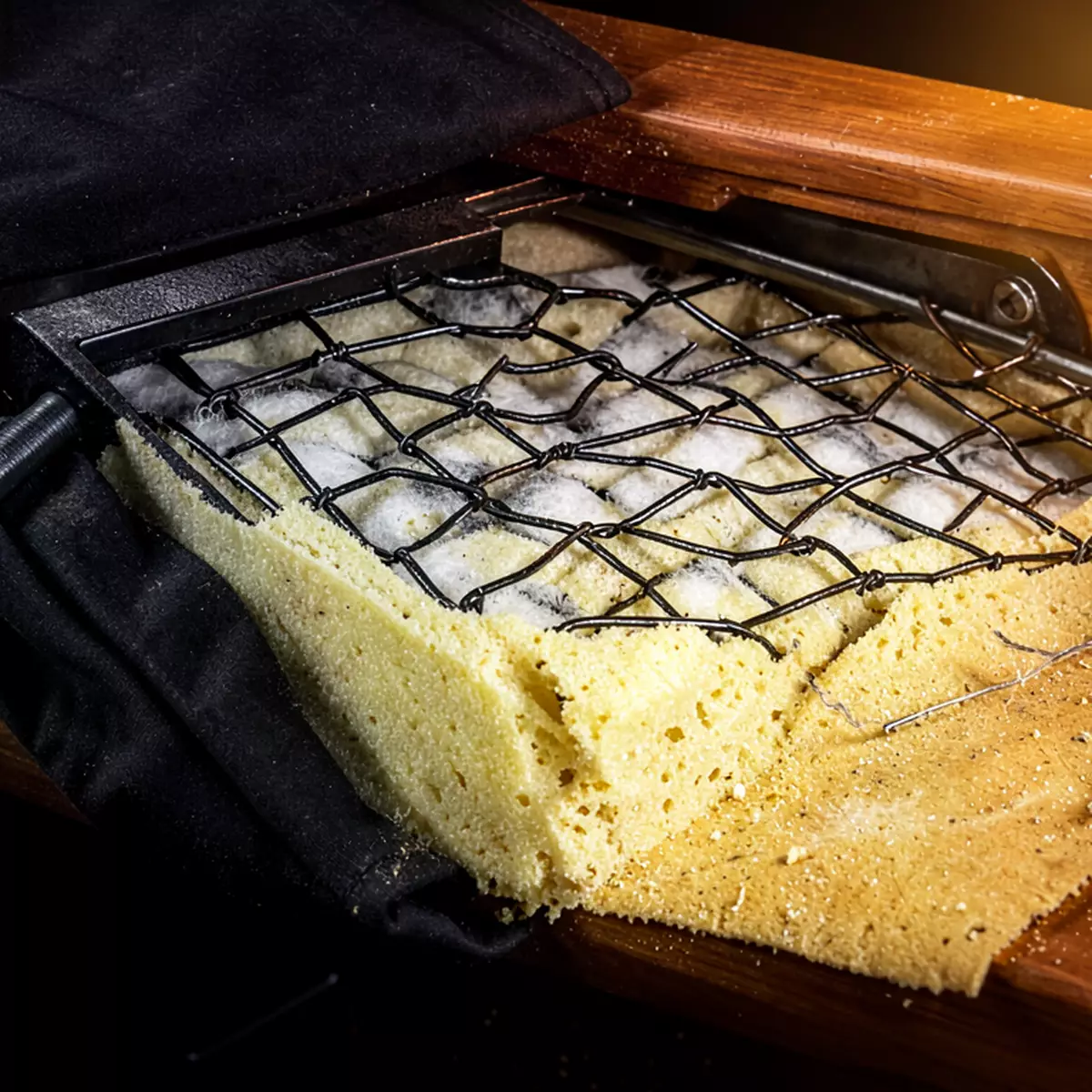
A sagging seat is the most common reason a recliner stops feeling good, and there are three ways to bring the support back. Flip the chair over and lift the dust cover underneath (unplug a power chair first). If the zig-zag springs are broken or loose, replace them. If the foam is flat, that is the real culprit, because new fabric over dead foam still feels dead, and my guide to reupholstering a recliner covers the full foam swap.
For a quick fix that skips the upholstery job, a firm memory foam cushion laid over the existing seat restores support in minutes. This COMFORTANZA memory foam recliner seat cushion is sized at 20 by 20 by 3 inches for a recliner seat, and at around $36 it is the cheapest way to test whether the chair is worth saving. If it helps but the chair still bottoms out, the foam inside is spent and the next step is new foam or a new chair.
How do you set the recline angle and footrest for comfort?
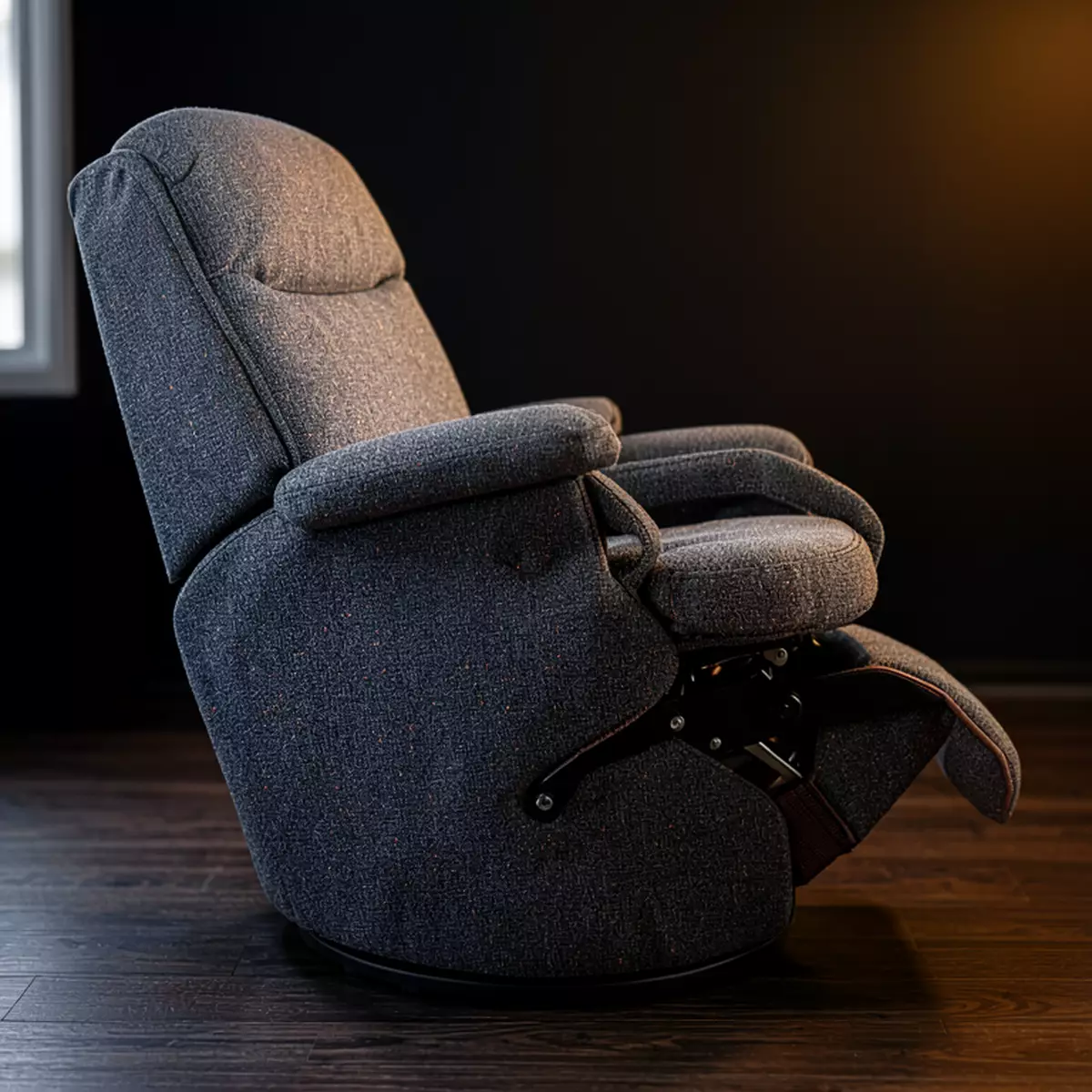
The right recline position does more for your back than any pillow, and most people never set it on purpose. A backrest around 135 degrees is the sweet spot for pressure relief, and the footrest should be high enough to support your calves.
Recline slowly and stop when your weight spreads evenly across your seat bones and your lower back stays against the backrest. If your lower back lifts away, you have gone too far. If your feet slide off the footrest, it is too short or too low for your leg length, a common complaint from taller owners.
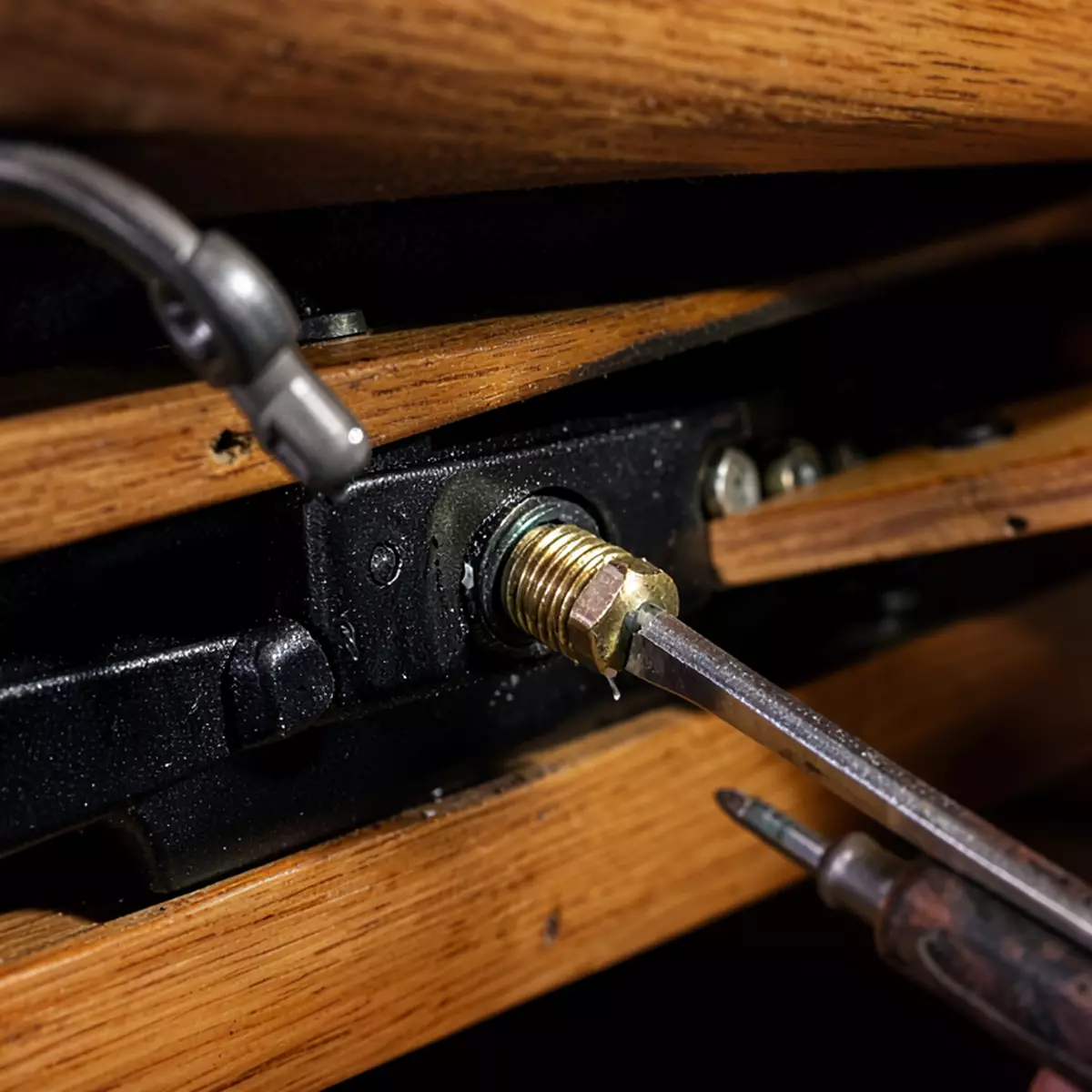
Manual recliners also have a tension setting, usually a wing nut or thumbscrew under the seat. Turning it changes how hard the chair is to recline and how firmly it holds you, so a chair that slams back or refuses to move is usually just out of adjustment. I cover the hardware in my guide to adjusting recliner tension.
What add-on support is worth buying?
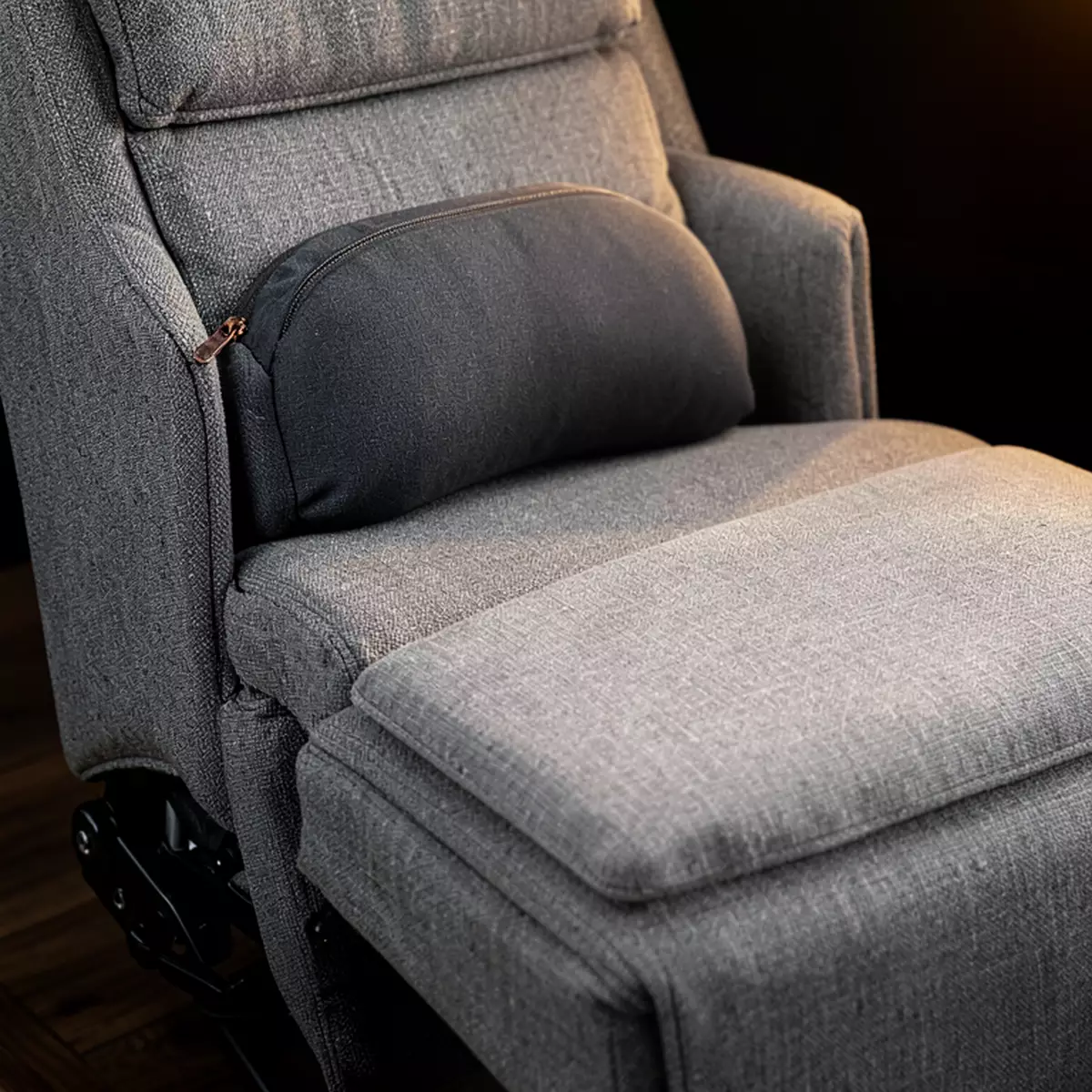
Once the seat and the angle are right, a few inexpensive add-ons close the gaps the chair cannot. A lumbar pillow restores the lower back curve a worn or too-soft backrest no longer holds, and it is the best single upgrade for an older recliner. This HIGOGOGO lumbar support pillow uses memory foam over firmer foam, and at about $23 it holds the curve better than a rolled towel.
If your legs hang or your heels do not reach the footrest, a leg rest cushion lifts the lower leg and takes strain off your knees and hips. The Junkin recliner leg rest cushion sits on the footrest and adds height where a short footrest leaves your heels hanging. If back pain is the real problem rather than the seat, my roundup of the best recliners for back pain covers the models built for it.
Which free adjustments should you try first?
Before you buy anything, run the free adjustments, because they solve more comfort complaints than people expect. Work through them in this order:
- Set the backrest to about 135 degrees and lock it there.
- Adjust the recline tension so the chair holds your weight.
- Raise or lower the footrest to match your calves.
- Tighten loose bolts under the seat and add felt pads if it rocks.
- Move the chair so the footrest opens fully without hitting a wall.
If the chair squeaks or grinds while you recline, that usually means a dry linkage rather than a broken part, and a silicone lubricant on the pivot points quiets it without attracting dust. My guide to a squeaking recliner shows where to apply it.
When is it time to replace the recliner instead?
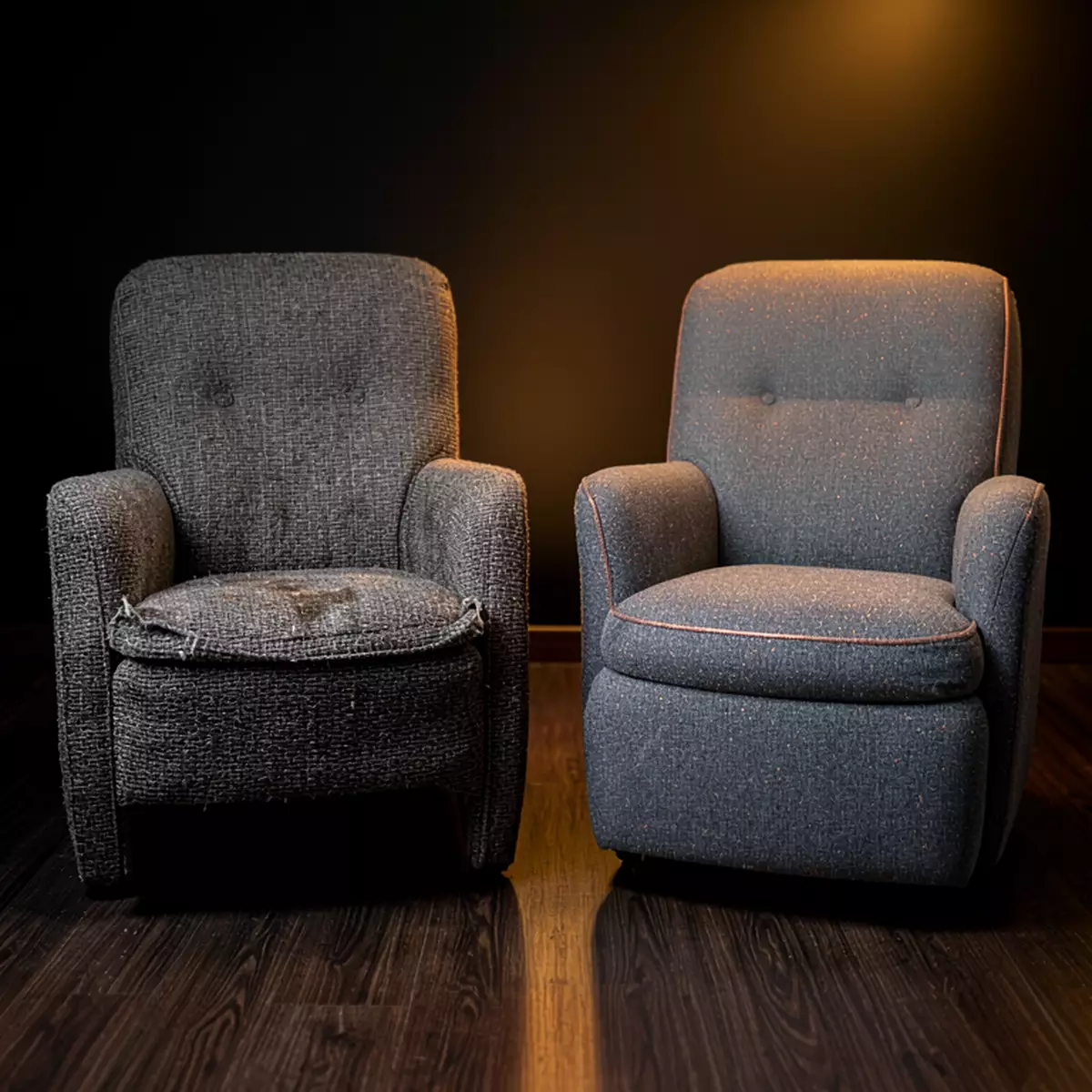
Repair or reupholster when the frame and mechanism are sound and only the seat has gone soft, because that job costs tens of dollars rather than hundreds. Replace the chair when the frame is cracked, the mechanism grinds or will not hold a position, or new foam and fabric climb toward the price of a new chair.
As a rough line, if your DIY parts top about $200 and the chair is a decade old, put that money toward a replacement. My roundup of budget recliners that hold up covers the models that keep their support the longest. If the seat foam alone is the problem and the rest of the chair is still good, a cushion or a foam swap is the cheaper path.
Frequently asked questions
How do I make my recliner more comfortable?
Fix the seat first, then the angle. Restore support with replacement foam or a firm memory foam cushion, set the backrest to about 135 degrees, and raise the footrest until your calves are supported. Most recliners become comfortable again for under forty dollars.
Why does my recliner hurt my back?
A worn backrest that no longer holds the curve of your lower spine is the usual cause, followed by a recline angle that is too flat. A lumbar support pillow restores the curve, and setting the backrest near 135 degrees keeps your lower back against the chair.
What angle should a recliner be at?
Around 135 degrees is the most supportive for most people, with 120 to 160 degrees the normal range. Recline until your weight spreads evenly and your lower back stays against the backrest.
Can I make a recliner more comfortable with extra cushioning?
Yes, and it is one of the easiest fixes there is. A firm three-inch memory foam cushion laid over the original seat replaces the support a flattened cushion has lost.
